

Seasons Affect Dealership Foot Traffic
Timing is a crucial yet often overlooked factor in the car buying journey. Just as seasons change, so does the rhythm of a car dealership. Holiday promotions, tax refund season, and even the weather can significantly influence dealership foot traffic, creating unique opportunities for savvy buyers. Understanding these patterns of high and low traffic can empower you to choose the best time to shop based on your personal priorities, whether you are seeking the lowest possible price, the widest selection of vehicles, or a more relaxed, personalized shopping experience. This guide will explore the annual ebbs and flows of the automotive retail world, helping you navigate the calendar to your advantage. By learning when dealerships are busiest and when they are slower, you can strategically plan your visit and drive away with confidence in both your new vehicle and the deal you received.
Navigating the dealership landscape is much easier when you know what to expect. Peak times, like the surge during tax season or the excitement of a three-day holiday weekend sale, bring high energy and a bustling atmosphere. Conversely, quieter periods, such as the middle of a weekday or a slow summer month, can provide a more laid-back environment for browsing and asking questions. By understanding how holiday timing affects dealership foot traffic, you can align your shopping strategy with your goals, ensuring a better experience from the moment you explore our used inventory.
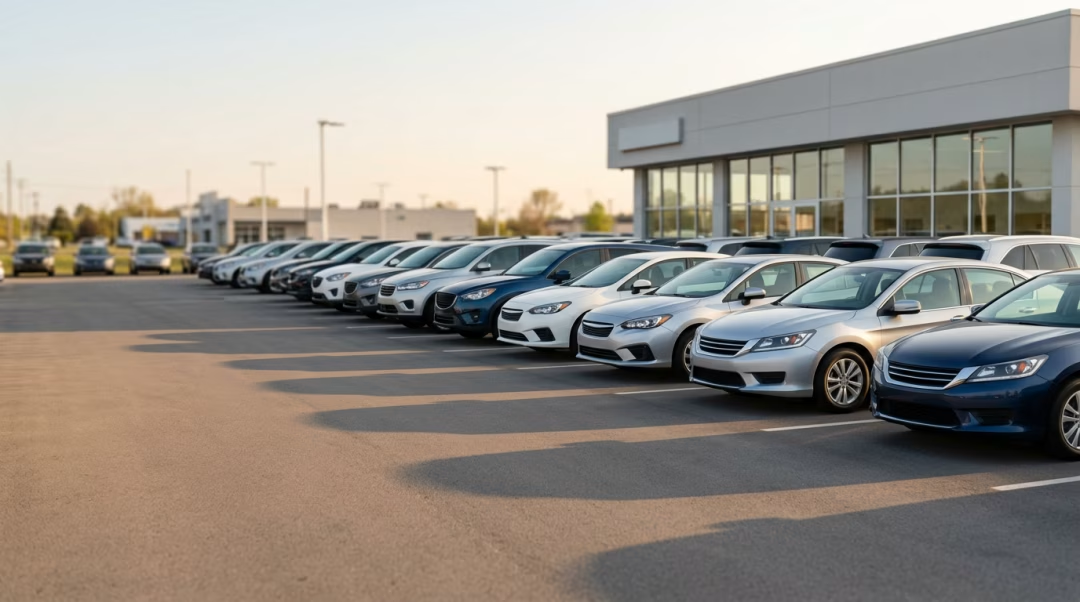
The Annual Rhythm of Car Sales: A Seasonal Breakdown
The used car market operates on a surprisingly predictable annual cycle, influenced by everything from federal holidays to consumer habits. For potential buyers, recognizing this rhythm is the key to unlocking better deals, finding a wider selection, and enjoying a more streamlined purchasing process. Each season brings a distinct dynamic to the dealership lot.
Winter (January – March): The Calm Before the Storm
January often begins as one of the slowest months of the year. The flurry of end-of-year sales has just ended, holiday bills are coming due, and cold weather in many parts of the country keeps people at home. For a buyer who values undivided attention from staff, a chilly January weekday can be the ideal time to visit. However, this quiet period is short-lived. By February, the energy shifts dramatically as the first tax refund checks begin to arrive. Tax season is arguably the most significant driver of foot traffic for used car dealerships. Many customers use their tax refund as a substantial down payment, allowing them to purchase a reliable vehicle they need. We explain this in detail in our guide on how tax season impacts sales. Dealerships prepare for this surge by stocking up on popular inventory and launching targeted marketing campaigns.
Spring (April – June): A Season of Growth
As the weather warms up, so does the car market. Spring brings a steady increase in foot traffic. The "spring cleaning" mentality extends to garages, with many people deciding it is time to upgrade their vehicle. Furthermore, with summer approaching, families begin planning road trips and vacations, often realizing their current car is not up to the task. Memorial Day weekend stands out as a major sales event, creating one of the busiest weekends of the entire year. The combination of warmer weather, a long weekend, and aggressive promotions makes it a prime time for both dealerships and buyers.
Summer (July – August): The Mid-Year Lull
While summer travel plans can spur sales in the spring, the core summer months of July and August can sometimes be slower. With families on vacation and school out of session, car shopping often takes a back seat. This "summer slump" can be another excellent opportunity for buyers to visit a dealership. With less foot traffic, the sales team has more time to focus on individual customers. However, things pick up again in late August with the back-to-school rush, as parents and college students look for dependable and affordable vehicles for the upcoming school year. You can learn more about this trend by reading our article on back-to-school shopping effects.
Fall (September – December): The Big Finish
The fall season is all about momentum, culminating in a final push to meet end-of-year goals. Labor Day kicks things off with another major sales weekend. As new model-year vehicles arrive at new car dealerships, a wave of high-quality trade-ins enters the used car market, significantly boosting selection for buyers. October and November are typically strong, steady months. Then comes the holiday season. Black Friday has evolved from a day for electronics into a major event for car sales, with dealerships offering some of their best deals. The final week of the year, between Christmas and New Year's Day, is famously one of the best times to buy a car. Dealerships and salespeople are doing everything they can to hit their monthly, quarterly, and annual sales targets, which can lead to exceptional deals for the consumer.
Major Holidays and Their Impact on Dealership Traffic
Three-day holiday weekends are synonymous with car sales for a reason. These events are heavily promoted and draw large crowds, creating a high-energy environment. Here are the key holidays that consistently drive the most foot traffic:
- President's Day Weekend: This February holiday serves as the unofficial kickoff to the busy tax season, with many dealerships rolling out their first major promotions of the year.
- Memorial Day Weekend: Marking the start of summer, this is one of the biggest car-buying weekends. Expect a bustling lot and a wide selection of vehicles ready for summer adventures.
- Labor Day Weekend: As the unofficial end of summer, this weekend is a prime time for dealerships to clear out inventory and make room for vehicles they acquire in the fall.
- Black Friday: Now a cornerstone of automotive retail, Black Friday brings aggressive "doorbuster" style deals and significant savings opportunities for motivated buyers.
- Christmas to New Year's Week: This is the final push. The pressure to meet year-end goals makes dealerships highly motivated to make deals before the calendar flips.
Beyond the Calendar: Other Factors Influencing Foot Traffic
While seasons and holidays are the primary drivers, other external factors can also affect how busy a dealership is on any given day. Unpleasant weather, such as heavy rain, snow, or extreme heat, will almost always lead to a drop in visitors. Conversely, the first sunny and warm weekend after a long winter can bring people out in droves. Local events, economic shifts like rising interest rates, and even the launch of a new marketing campaign can create spikes or dips in traffic. Understanding how interest rate changes affect the industry can provide deeper insight into market dynamics. The savviest shoppers pay attention to these variables to find the perfect window of opportunity.
How to Use This Knowledge to Your Advantage
So, how can you use this information to create a better car-buying experience? It all comes down to your priorities.
If your main goal is getting the best possible price, you should aim for times when the dealership is most motivated to sell. This includes the last few days of any month, the end of a quarter (March, June, September, December), and especially the final week of the year. Shopping during major holiday sales events is also a great strategy for finding aggressive discounts.
If you prioritize personalized service and a low-pressure environment, consider shopping during traditionally slow periods. A Tuesday or Wednesday afternoon is often much quieter than a Saturday. Likewise, visiting during a mid-month lull in July or January will likely mean you get the undivided attention of the staff. This gives you more time to ask questions, test drive multiple vehicles, and learn more about us and our process.
If having the best selection is most important to you, timing is also critical. Your best bet is to shop early during a major sales event before the most popular models are sold. Another great time is in the early fall, right after the new model-year vehicles are released and the market is flooded with high-quality trade-ins. No matter when you choose to shop, you can always get a head start by completing a finance application online or getting an estimate to value my trade from the comfort of your home.
What is the single best month to buy a used car?
While great deals can be found year-round, many experts point to December as the best month. Dealerships are highly motivated to hit annual sales goals, which can lead to significant discounts. October and November are also excellent months, as the market receives a fresh influx of trade-ins when new model-year cars are released.
Is it better to shop for a car on a weekday or a weekend?
It depends on your preference. Weekends are by far the busiest times at a dealership, which means the atmosphere is energetic but you may have to wait for assistance. Shopping on a weekday, especially Tuesday through Thursday, typically means less foot traffic and more one-on-one attention from the sales staff.
Do three-day holiday weekends really have better deals?
Yes, they often do. Dealerships invest heavily in advertising for holiday sales events and prepare their staff for a higher volume of customers. This increased competition and motivation to sell during a concentrated period frequently results in more aggressive pricing and better deals for consumers.
How does tax season affect used car prices?
Tax season dramatically increases demand for used cars, as many buyers use their refunds for a down payment. While this high demand can make prices firm, it also means dealerships are competing for business. They often run special promotions and are prepared to sell a high volume of vehicles during this period.
Are car dealerships less busy when it is raining?
Generally, yes. Inclement weather of any kind, whether it is rain, snow, or extreme heat, tends to keep casual shoppers at home. For a serious buyer, this can be a great time to visit. With fewer people on the lot, you are more likely to receive prompt and focused attention from the team.
