

Used Car Buying Habits
The economic landscape has shifted significantly, and with it, the way we approach major purchases. Inflation's impact on everything from groceries to housing has naturally extended to the automotive market, causing a noticeable evolution in used car buying habits. Potential buyers are now more discerning and budget-conscious than ever before, prioritizing long-term value and practicality over fleeting trends. This new era of car shopping isn't about compromise; it is about making smarter, more informed decisions. Understanding these changes is the first step toward navigating the current market with confidence and finding a reliable vehicle that fits your financial reality without sacrificing quality. As a dealership, we have seen these shifts firsthand and have adapted our approach to better serve the needs of today's savvy consumer. We believe that a transparent process and a focus on dependable vehicles are more important now than ever. To learn more about our philosophy, you can read about our team on the about us page.
Navigating the pre-owned vehicle market during a period of inflation requires a strategic approach. Today’s car buyers are extending their research, carefully calculating the total cost of ownership, and placing a higher premium on fuel efficiency and reliability. The focus has moved from impulse buys to well-considered investments. By understanding these evolving consumer behaviors, you can better position yourself to find a high-quality used vehicle that serves your needs and respects your budget, ensuring you get the most value for your hard-earned money.
A Deeper Dive into How Inflation is Reshaping the Pre-Owned Auto Market
The ripple effects of inflation have touched nearly every corner of the economy, and the used car industry is no exception. As household budgets tighten, the decision-making process for purchasing a vehicle has become more complex and analytical. Shoppers are no longer just looking for a good price; they are seeking comprehensive value that extends far beyond the initial sale. This fundamental shift has changed buying habits in several key ways, forcing both consumers and dealerships to adapt to a new reality.
The Prioritization of Practicality Over Prestige
One of the most significant changes is the pivot from "want-based" features to "need-based" essentials. Where a premium sound system, panoramic sunroof, or oversized wheels might have once been deciding factors, today’s buyers are laser-focused on the core attributes of a vehicle. This includes:
- Fuel Economy: With fluctuating gas prices, miles per gallon (MPG) has become a top-tier consideration. Sedans, hatchbacks, and smaller SUVs are seeing a surge in popularity as buyers seek to minimize their long-term fuel costs.
- Reliability and Maintenance Costs: Consumers are doing more research into brand and model reliability ratings. The goal is to avoid unexpected and costly repairs down the road. Brands known for their longevity and affordable parts are in high demand.
- Insurance Premiums: The cost to insure a vehicle is another critical factor. Shoppers are increasingly getting insurance quotes before committing to a purchase, favoring models that are less expensive to cover.
This shift means that a well-maintained, fuel-efficient vehicle from a dependable brand is often more attractive than a higher-end model with more bells and whistles but a greater total cost of ownership. You can explore our wide range of practical and efficient vehicles in our used inventory to find a match for your needs.
Extended Research and Financial Planning
The days of casual weekend car shopping have been replaced by weeks, or even months, of diligent online research. Buyers are arming themselves with more information than ever before making a decision. This includes comparing prices across multiple dealerships, reading expert and owner reviews, and watching long-term ownership videos. Furthermore, the financial aspect of the purchase is receiving greater scrutiny.
More buyers are taking proactive steps to secure their financing before visiting a dealership. This often involves getting pre-approved for a loan to understand exactly what they can afford. Many are also exploring the value of their current vehicle to maximize their trade-in allowance, which can significantly reduce the overall loan amount and monthly payment. If you are curious about what your current car is worth, our value my trade tool can provide a quick and accurate estimate. By taking these steps, buyers can enter negotiations with a clear budget and a stronger position.
Longer Ownership Cycles and the Search for Durability
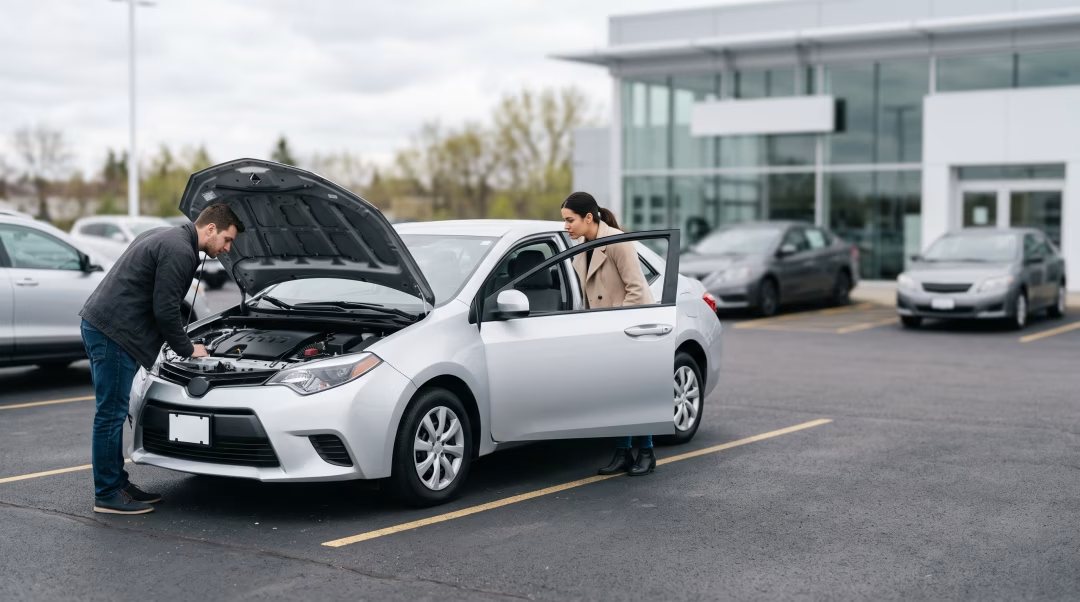
With the cost of upgrading a vehicle on the rise, people are planning to keep their cars for longer. The average age of vehicles on the road has been steadily increasing, and this trend is accelerating due to inflation. When a purchase is seen as a 7 to 10-year commitment rather than a 3 to 5-year one, the criteria for selection change dramatically. Buyers are looking for vehicles that can stand the test of time. They are paying closer attention to mileage, service histories, and vehicle history reports to ensure they are investing in a car that will not just serve them now, but for many years to come. This focus on durability also extends to considering slightly older models with a proven track record of reliability over newer models that might be less tested.
Flexibility and a Willingness to Consider Alternatives
Finally, inflation has made car buyers more flexible. If a specific model has become too expensive, savvy shoppers are now more willing to explore comparable alternatives from different manufacturers. A buyer who was initially set on a specific SUV might now consider a different brand or even a different vehicle type, like a hatchback or a larger sedan, if it offers better value. This openness to different options broadens the search and increases the chances of finding a great deal. It also means buyers are less focused on specific colors or trim levels, prioritizing the mechanical condition and financial fit of the vehicle instead. If you have questions about financing or want to get started, our online applications page is a great place to begin your journey.
Frequently Asked Questions About Car Buying and Inflation
Has inflation directly caused used car prices to increase?
Yes, inflation has been a significant factor in the rise of used car prices. It affects the cost of new cars, which in turn increases demand for used alternatives. Additionally, supply chain issues and increased costs for parts and reconditioning contribute to higher prices on the used market. However, prices can fluctuate, and good value can still be found with careful research.
What type of used car holds its value best during inflationary times?
Vehicles known for reliability, fuel efficiency, and low maintenance costs tend to hold their value best. Brands like Toyota and Honda are historically strong performers. Sedans and smaller, fuel-efficient SUVs are often in high demand because their lower running costs are attractive when overall living expenses are high.
How can I get the best value for my trade-in to combat rising prices?
To maximize your trade-in value, ensure your vehicle is clean and well-maintained. Have all your service records available, and address any minor cosmetic or mechanical issues if it is cost-effective. Getting an online estimate from a tool like our value my trade page before you visit can also give you a strong baseline for negotiations.
Should I wait for inflation to decrease before buying a used car?
While timing the market is difficult, waiting is not always the best strategy, especially if you have an immediate need for a vehicle. A well-maintained used car can be a solid investment that provides essential transportation. Focusing on finding the right car for your budget now is often more practical than trying to predict future economic trends.
Are auto loan interest rates higher for used cars because of inflation?
Inflation often leads the Federal Reserve to raise interest rates, which affects all types of loans, including auto loans. While rates may be higher than in previous years, they are still competitive. Getting pre-approved from your bank or our dealership can help you understand your options and lock in the best available rate. You can start the process on our applications page.
If you have more questions, do not hesitate to reach out. Our team is here to help you navigate the market with confidence. Please feel free to contact us for personalized assistance.
