

Vehicle's Title Before Purchase
Purchasing a used vehicle is an exciting milestone, but it comes with a critical piece of homework: verifying the vehicle’s title. The title is more than just a piece of paper; it is the legal document that proves ownership and provides a snapshot of the car’s history. A "clean" title indicates the vehicle has a clear ownership record, free from major issues like severe accidents, flood damage, or outstanding loans. Taking the time to properly investigate a car's title is the single most important step you can take to protect yourself from potential fraud, unexpected financial liabilities, and future ownership headaches. This guide will walk you through the essential steps for how to verify a vehicle's title, ensuring your next car purchase is a secure and confident one. Understanding this process empowers you to make a smart investment and drive away with peace of mind, knowing the car you love is legally and historically sound.
Failing to properly verify a vehicle's title can lead to significant problems. You could unknowingly purchase a car with a hidden lien, meaning a bank could repossess it, or a vehicle with a branded title (like "salvage" or "rebuilt") that has a drastically lower value and potential safety concerns. Here at our dealership, we remove that risk. Every car in our used inventory undergoes a rigorous title verification process, guaranteeing you a clean and clear title with every purchase. Our commitment is to transparency and your complete satisfaction.
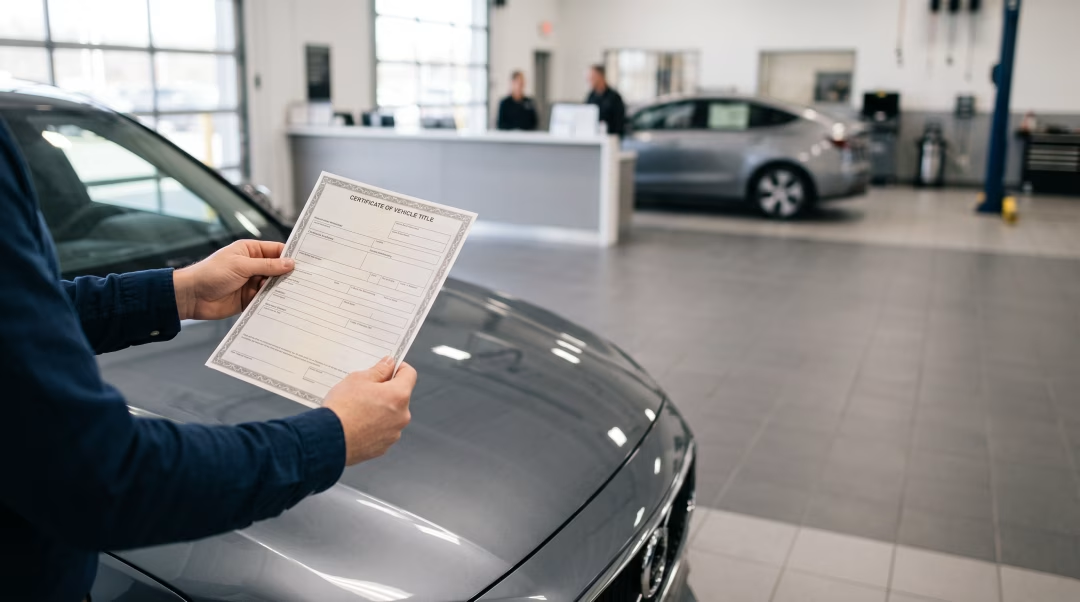
A Deep Dive into Vehicle Title Verification
The vehicle title is the ultimate proof of ownership. This state-issued document is the key to legally buying, selling, registering, and insuring a car. Before you finalize any used car purchase, whether from a private seller or another dealer, understanding every detail of its title is non-negotiable. This comprehensive guide will equip you with the knowledge to dissect a title, spot red flags, and confirm you are making a sound purchase.
Understanding the Different Types of Car Titles
Not all titles are created equal. The "brand" or status printed on a title tells a crucial story about the vehicle's past. While you should almost always insist on a clean title, it is important to recognize the others.
- Clean Title: This is the gold standard. It signifies that the vehicle has never been deemed a total loss by an insurance company. It has a clear record of ownership and is the most desirable title status.
- Salvage Title: When a vehicle is damaged to the point that the cost of repairs exceeds a certain percentage of its value (typically 75-90%), the insurance company declares it a total loss and the state issues a salvage title. These vehicles are not legally drivable on public roads.
- Rebuilt/Reconstructed Title: A vehicle with a salvage title can be repaired and, after passing a thorough state inspection, be issued a rebuilt title. While legally drivable, these vehicles have a significantly lower resale value and may have lingering issues from the previous damage.
- Other Brands: Titles can also be branded for specific types of damage or history, including "Flood," "Fire," "Lemon Law Buyback," or "Odometer Rollback." Each of these brands is a major warning sign that requires serious investigation. For more on this, read our guide on why vehicle history reports matter.
Your Step-by-Step Guide to Verifying a Vehicle's Title
Follow this process methodically to ensure you cover all your bases.
Step 1: Get the VIN and a Vehicle History Report (VHR)
The Vehicle Identification Number (VIN) is a unique 17-character code that acts as the car's fingerprint. You can find it on the driver's side dashboard (visible through the windshield) and on a sticker inside the driver's side door jamb. Always verify that the VIN on the car matches the VIN on the title and registration documents. Once you have the VIN, your first action should be to run a comprehensive VHR from a reputable provider like CarFax or AutoCheck. This report will provide a detailed history, including past title transfers, reported accidents, service records, and, most importantly, any title brands issued in any state.
Step 2: Use the National Motor Vehicle Title Information System (NMVTIS)
The NMVTIS is a national database managed by the U.S. Department of Justice to protect consumers from title fraud and unsafe vehicles. It consolidates data from state motor vehicle agencies, insurance carriers, and salvage yards. An NMVTIS report is an excellent, low-cost way to verify title information, check for brands, and see the latest odometer reading. Many VHR providers include NMVTIS data in their reports, but you can also get a report directly from an approved provider on the official NMVTIS website.
Step 3: Physically Inspect the Title Document
Never agree to purchase a car without seeing the physical title document. When you have it in hand, look for these key elements:
- Authenticity: Look for signs of tampering, such as smudges, erased text, or mismatched fonts. Hold it up to the light to look for watermarks or security threads, similar to currency.
- Matching Information: Confirm the VIN, make, model, and year on the title match the vehicle itself.
- Owner's Name: The name of the owner(s) on the front of the title must match the legal ID of the person selling you the car. If it does not, you are likely dealing with a case of "title jumping," which is illegal and a major red flag.
- Lienholder Information: Check the "Lienholders" section. If a bank or financial institution is listed, it means there is an active loan on the car.
Step 4: Verify Lien Status
If a lienholder is listed on the title, the seller cannot legally transfer ownership to you until that loan is paid off. The lender must sign a lien release, or the seller must provide you with an official lien release letter from the financial institution. You can and should call the lienholder directly to verify that the loan has been satisfied. Do not accept a seller's word for it. Buying a car with an active lien means the lender could repossess the vehicle from you, leaving you with no car and no money.
Our Promise: Clean Titles, Every Time
Navigating the complexities of title verification can be daunting. That is why we make it simple. At our dealership, we handle this entire process for you. Every vehicle we offer for sale has already undergone a meticulous title history review. We guarantee that every car on our lot has a clean, lien-free title, so you can focus on the fun part: finding the perfect vehicle. To learn more about our commitment to quality and transparency, visit our about us page or contact us directly with any questions.
What is the difference between a car title and a registration?
A car title is a legal document that proves ownership of the vehicle. A car registration is a document that proves you have paid the necessary fees to the state to legally operate that vehicle on public roads. You cannot register a car without first having a title in your name.
Can I buy a car without a title from the seller?
No, you should never buy a car without receiving the physical title from the seller at the time of purchase. A bill of sale is not sufficient proof of ownership. The title is the only document that allows you to legally take ownership and register the vehicle.
What does a "salvage" title really mean for a buyer?
A salvage title means an insurance company has declared the vehicle a total loss due to damage (from an accident, flood, etc.). These cars cannot be legally driven on the road. Even if it is repaired and given a "rebuilt" title, it will have a much lower value, may be difficult to insure, and could have underlying safety or mechanical issues.
How can I check for a lien on a car title?
First, inspect the physical title for a "Lienholder" section. If a bank or credit union is listed, there is likely a lien. You should then contact that financial institution directly to verify if the loan has been paid in full. You can also use your state's DMV website or contact them to perform a title search using the VIN.
What should I do if the seller's name is not on the title?
Walk away from the deal immediately. This is a practice known as "title jumping" or "title skipping," and it is illegal. It means the person selling the car is not the legal owner, and they are trying to avoid paying taxes and registration fees. You will not be able to legally transfer the title into your name.
