

Before It Hurts Your Bottom Line
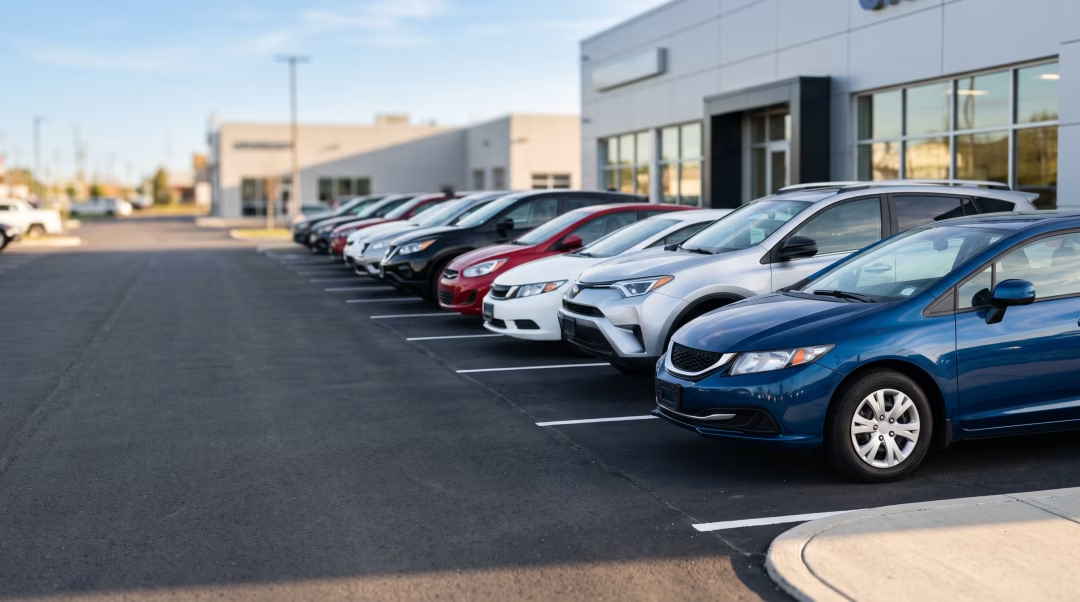
In the fast-paced world of used car sales, inventory is your most critical asset. However, when vehicles sit on the lot for too long, they transform from assets into liabilities. This is what the industry refers to as aging inventory, and it represents one of the most significant threats to a dealership's profitability. Every day a car remains unsold, it accumulates costs from floor plan interest, depreciation, insurance, and maintenance, steadily eroding its potential profit margin. Proactively managing these aged units is not just good practice; it is essential for maintaining a healthy cash flow and a strong bottom line. A well-defined strategy for identifying, merchandising, and ultimately selling these vehicles before they become a financial drain is the hallmark of a successful and sustainable dealership operation. Ignoring this crucial aspect of inventory management can quickly lead to compressed margins and tied-up capital that could be better invested in fresh, in-demand vehicles.
Implementing a disciplined approach to inventory turnover ensures your capital is always working for you. By leveraging data to make smarter acquisition decisions and employing dynamic pricing and marketing tactics, you can accelerate sales on slower-moving units. A clear policy that dictates specific actions at 30, 60, and 90-day intervals empowers your team and removes emotion from the decision-making process. Ultimately, effective management of aging stock is about maximizing every opportunity and protecting your financial health in a competitive market.
A Deep Dive into Proactive Inventory Management Strategies
For any used car dealership, the flow of vehicles onto and off the lot is its lifeblood. The single most important metric for measuring the health of this flow is inventory turn. When vehicles sell quickly, capital is freed up to acquire new stock, and profits are realized. But when cars linger, the financial consequences can be severe. Understanding the multifaceted costs of aging inventory and implementing robust strategies to combat it is fundamental to long-term success. This is not about simply reacting when a car hits 90 days; it is about building a proactive system that prevents vehicles from reaching that point in the first place.
Identifying the True Costs of an Aged Vehicle
The sticker price on a car in your used inventory is not a static number. The real cost to your dealership increases daily. The most apparent expense is the direct holding cost associated with your floor plan. Most dealerships use a financing instrument to purchase inventory, and that loan accrues interest every single day. As explained in our guide on what a dealer floor plan is and how it works, these costs can quickly consume any potential profit on a slow-moving unit. Beyond interest, several other factors contribute to the financial drain:
- Depreciation: The used car market is volatile. A vehicle's market value can drop due to seasonal trends, new model releases, or changing consumer preferences. The longer you hold it, the more value it loses.
- Opportunity Cost: The capital invested in one stagnant sedan could have been used to purchase and sell two popular SUVs in the same time frame. This lost opportunity is a significant, often overlooked, expense.
- Physical and Maintenance Costs: Every vehicle on your lot requires space, insurance, occasional battery charging, and regular washing. These small operational costs add up over weeks and months, further cutting into the vehicle's margin.
- Stale Perception: Customers who visit your lot or website frequently may notice the same vehicles sitting for long periods. This can create a negative perception that your inventory is undesirable or overpriced.
Building a Proactive Action Plan for Aged Stock
The key to managing aging inventory is to act early and decisively. Waiting until a vehicle is 90 or 120 days old means you are already operating from a position of financial weakness. A successful strategy involves a multi-tiered approach that begins the moment a car is acquired.
1. Data-Informed Acquisition
The best way to solve an aging inventory problem is to prevent it from starting. Use your dealership's historical data, particularly your sold inventory reports, to identify which makes, models, price ranges, and mileage brackets sell the fastest in your specific market. This intelligence should guide your purchasing decisions at auction and with trade-ins. Acquiring vehicles with a proven track record of quick turnover is your first line of defense.
2. Establish a Formal Inventory Aging Policy
Create a written policy that outlines specific actions at set intervals. This removes guesswork and emotional attachment from the process. A typical policy might look like this:
- 30 Days: The vehicle undergoes a review. Is the online merchandising effective? Are the photos high-quality? Is the description compelling? Consider a small price adjustment and moving the vehicle to a more prominent location on the lot.
- 60 Days: A more significant price reduction is implemented. The sales manager makes the vehicle a priority for the sales team, perhaps by offering a bonus or "spiff" for its sale. It should be featured in digital marketing efforts, such as email newsletters or social media campaigns.
- 75 Days: The vehicle is priced at or near wholesale value to encourage a quick retail sale. This is often the last chance to avoid a loss. The focus shifts from maximizing profit to liquidating the asset and recovering capital.
- 90 Days: The vehicle is sent to auction. While it may result in a small loss, this action stops the bleeding from holding costs and frees up capital for a better-performing unit.
3. Empower Your Sales and Marketing Teams
Your staff is crucial to moving aging inventory. Ensure your sales team knows which units are approaching key age milestones. As outlined in our article on building a sales training program, incentivizing them with bonuses is a powerful motivator. Likewise, your marketing efforts should be agile. If a car is not getting online traction, update its vehicle detail page (VDP). Take new photos from different angles, write a new description focusing on unique features, and ensure it is being seen by the right audience through effective SEO and digital advertising. A strong digital presence, as we discuss in how SEO helps dealers, is non-negotiable.
4. Leverage Your Dealer Management System (DMS)
A modern DMS is an invaluable tool for inventory management. It can automatically generate aging reports, allowing you to see at a glance which vehicles require attention. Many platforms, like those discussed in our overview of what a DMS is and why it matters, integrate with market data tools to provide real-time pricing guidance, helping you stay competitive and adjust pricing strategically. Use these reports in your weekly sales meetings to keep the entire team focused on the goal of turning inventory efficiently.
Ultimately, managing aging inventory is a discipline. It requires a commitment to data-driven decisions, a clear and consistently enforced policy, and alignment across your entire dealership team. By treating every vehicle as a time-sensitive asset, you protect your profitability, optimize your cash flow, and build a more resilient and successful business.
What is a good inventory turn rate for a used car dealership?
While this can vary by market and dealership model, most industry experts suggest that a healthy inventory turn rate for a used car lot is between 8 and 12 times per year. This translates to selling your entire inventory every 30 to 45 days. A higher turn rate indicates efficient operations and strong demand for your vehicles.
How do floor plan costs directly impact aging inventory?
A floor plan is a line of credit used to purchase inventory, and dealers pay interest on the outstanding balance for each vehicle. This interest, known as a holding cost, accrues daily. For an aging vehicle that sits for 60 or 90 days, these accumulated interest payments can completely eliminate the potential profit margin, and in many cases, cause the dealership to lose money on the sale.
Should I lower the price on a car that is not selling?
Yes, strategic price adjustments are a critical tool. Instead of one large price drop after 90 days, it is more effective to make smaller, incremental adjustments at regular intervals, such as every 15 or 30 days. This can attract new buyers who were just outside the previous price point without drastically slashing your margin all at once. It keeps the vehicle looking fresh in online searches.
What is the "first in, first out" (FIFO) method for car inventory?
FIFO is an accounting and management principle where the first vehicles that arrive on the lot (First-In) are prioritized to be the first ones sold (First-Out). This is the core concept behind managing aging inventory. By focusing sales and marketing efforts on the oldest units, you prevent them from accumulating excessive holding costs and depreciation.
When should a dealership decide to wholesale an aging vehicle?
The decision to wholesale a car by sending it to auction should be a business decision, not an emotional one. A well-defined inventory policy will set a firm deadline, typically around 90 days. At this point, the accumulated holding costs and market depreciation often mean that any potential retail profit is gone. Wholesaling the unit stops further losses and frees up capital to invest in a new vehicle with better sales potential.
