

Inventory for a BHPH Lot
For any Buy Here Pay Here dealership, inventory is the engine that drives the entire business. Sourcing the right vehicles is not just about filling empty spaces on the lot; it is a strategic process that directly impacts sales, portfolio performance, and customer satisfaction. The unique business model of a BHPH lot requires a specialized approach to acquisition. You need vehicles that are not only affordable for your target customer but also reliable enough to perform throughout the loan term, minimizing defaults and costly repossessions. A successful sourcing strategy involves a multi-channel approach, blending auction purchases with savvy trade-in appraisals and private acquisitions. Understanding how to identify, inspect, and purchase vehicles that align with your financial model is fundamental to building a profitable and sustainable operation. This guide will explore the proven methods for securing a steady stream of quality inventory that sets your dealership up for long-term success.
Mastering inventory acquisition is a continuous cycle of buying, reconditioning, and analyzing performance. The vehicles you choose to finance are your assets, and protecting their value is paramount. A well-defined sourcing plan helps you avoid common pitfalls like overpaying for units, underestimating reconditioning costs, or stocking vehicles that do not resonate with your customers. By focusing on data-driven purchasing and building strong supplier relationships, you can create a consistent inventory pipeline that fuels growth and enhances your reputation in the community.
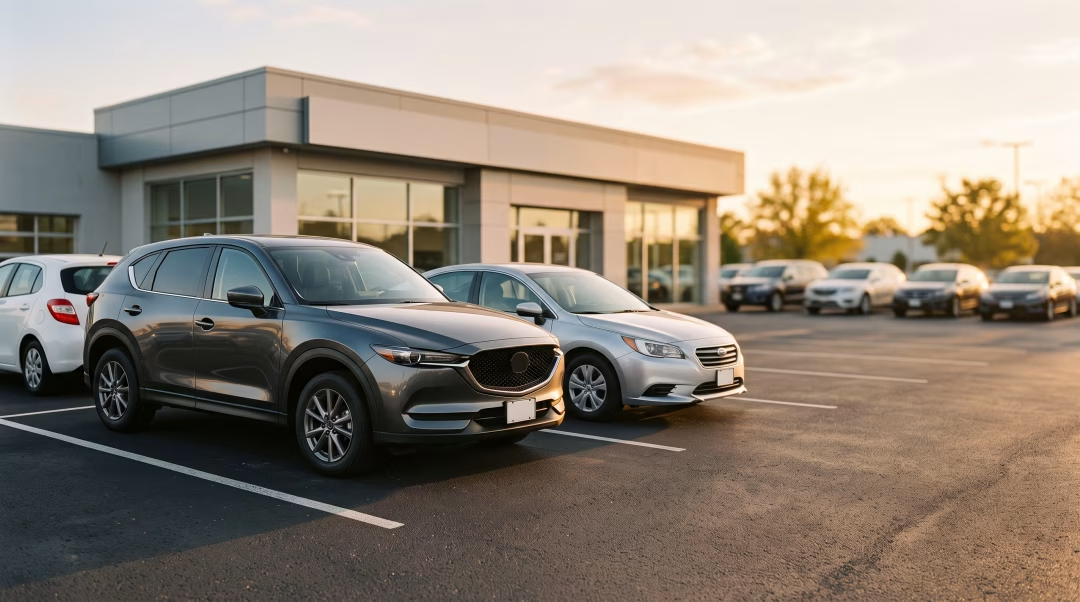
A Strategic Guide to Acquiring Profitable BHPH Vehicles
The success of a Buy Here Pay Here dealership hinges on one critical element: the quality and profitability of its inventory. Unlike traditional retail lots, a BHPH dealer is not just selling a car; they are financing an asset that must remain dependable for years to come. A mechanical failure can lead directly to a payment default, creating a chain reaction of collection efforts, potential repossession, and financial loss. Therefore, building a robust inventory sourcing strategy is the cornerstone of a healthy BHPH business. It requires a keen eye for value, a disciplined purchasing process, and a deep understanding of what makes a vehicle a good fit for your specific customer base. Explore our used inventory to see the types of reliable vehicles we focus on.
Defining Your Ideal Inventory Profile
Before you can effectively source vehicles, you must first define what you are looking for. A generic approach will lead to a lot filled with mismatched cars that are difficult to sell or finance profitably. Your ideal inventory profile should be a written guide that your buyers use for every potential acquisition.
- Target Acquisition Cost: Determine the maximum price you can pay for a vehicle while still allowing room for reconditioning, holding costs, and profit margin. This number is the foundation of your buying decisions.
- Vehicle Age and Mileage: Most successful BHPH dealers focus on vehicles within a specific age and mileage range, such as 7-12 years old with 100,000 to 150,000 miles. This often represents a sweet spot of affordability and remaining useful life.
- Makes and Models: Focus on models with a proven track record of reliability and affordable repair costs. Domestic and popular import sedans and small SUVs are often staples due to the wide availability of parts and service knowledge. Learning what makes a vehicle a good fit for BHPH inventory is a critical first step.
- Reconditioning Potential: A skilled buyer can see past minor cosmetic flaws and identify vehicles with "good bones." The goal is to find structurally and mechanically sound cars that can be made frontline-ready with a reasonable investment.
Top Channels for Sourcing BHPH Inventory
A diversified sourcing strategy reduces reliance on any single channel and helps maintain a consistent flow of vehicles. Successful dealers typically utilize a mix of the following sources.
1. Dealer Auctions: Both physical and online auctions are the most common source of inventory for independent dealers. They offer a massive volume of vehicles in one place, but success requires discipline and expertise. To make auctions work, you must master pre-sale research, including reviewing condition reports and vehicle history. It is essential to set a firm maximum bid for each vehicle, factoring in auction fees and transportation costs. A well-defined auction buying strategy is crucial to avoid emotional bidding and overpaying.
2. Customer Trade-Ins: Your own customers can be one of your best inventory sources. A trade-in eliminates auction fees and transport costs, giving you a significant competitive advantage. The key is to have a structured and fair appraisal process. This not only helps you acquire inventory at the right price but also builds trust with the customer, making them more likely to complete the new purchase. Encouraging customers to value their trade on your website can be an excellent lead generator for both sales and acquisitions.
3. Private Party Purchases: Buying directly from private sellers can uncover hidden gems at below-market prices. This requires more effort, involving screening online marketplaces, classified ads, and local community boards. However, the potential for higher margins makes it a worthwhile endeavor. When buying from private parties, always prioritize safety, meet in public places, and have a thorough mechanical inspection process in place before finalizing any transaction.
4. Building Wholesale Relationships: Develop connections with new car franchise dealerships. They often take in older, higher-mileage trade-ins that do not fit their certified pre-owned programs but are perfect for a BHPH lot. By becoming a reliable and consistent buyer for this type of inventory, you can create a private pipeline of vehicles before they ever reach the auction block.
The Non-Negotiable Step: Vehicle History and Inspection
No matter the source, every potential vehicle acquisition must undergo a rigorous vetting process. A clean vehicle history report is the first gate a car must pass through. This helps you immediately weed out vehicles with branded titles (salvage, flood, lemon), major accident history, or odometer discrepancies. Using data from these reports is one of the most effective ways dealers can avoid bad inventory that could become a liability.
Following the history report, a comprehensive mechanical and structural inspection is essential. This pre-purchase inspection should be standardized and documented on a checklist. It should cover the engine, transmission, brakes, suspension, frame, and electrical systems. This inspection provides a clear estimate of the reconditioning costs needed, allowing you to make an informed decision and ensure you are balancing costs against resale value effectively.
Using Data to Refine Your Strategy
Your Dealer Management System (DMS) is more than just a tool for managing payments; it is a treasure trove of data that can fine-tune your inventory strategy. By analyzing your sales and portfolio data, you can identify trends that inform better buying decisions. Pay close attention to which vehicles turn the fastest, which models have the lowest delinquency rates, and your average profit per unit by make and model. This feedback loop allows you to stop buying underperforming vehicles and double down on the ones that generate the most profit and create the happiest customers. Understanding what a DMS is and why it matters is key to leveraging this powerful data.
What is the best inventory source for a new BHPH dealership?
For a new BHPH dealer, local dealer auctions are often the best starting point. They provide access to a large volume of vehicles, helping you understand market pricing quickly. As you gain experience, you can diversify by building relationships with new car stores for their wholesale units and exploring private party purchases.
How much should a BHPH lot budget for reconditioning per vehicle?
While this varies by region and vehicle type, a common target for BHPH dealers is between $800 and $1,500 per vehicle for reconditioning. This budget should prioritize mechanical reliability and safety over cosmetic perfection. The key is to make the car safe and dependable for the life of the loan.
Should I avoid all high-mileage vehicles for my BHPH inventory?
Not necessarily. A well-maintained vehicle with 150,000 miles can be a better asset than a poorly maintained one with 100,000 miles. Focus more on the vehicle's condition, service history, and the reputation of the specific make and model rather than solely on the odometer reading. A thorough inspection is critical for higher-mileage units.
How can a small dealership compete against larger buyers at auctions?
Small dealers can compete by being smarter, not bigger. Do your homework before the sale, identify vehicles that larger buyers might overlook, and stick rigidly to your budget. Focus on niche vehicles that fit your inventory profile perfectly. Building personal relationships with auction staff can also provide valuable insights and assistance.
Is it more profitable to buy cheaper cars needing more work or pricier, frontline-ready cars?
This depends on the efficiency of your reconditioning process. If you have a cost-effective and fast in-house or partner service center, buying vehicles that need work can yield higher margins. However, if your recon process is slow or expensive, it can erode profits quickly. For many dealers, the most profitable strategy is finding a balance in the middle: cars that need light to moderate work but are mechanically sound.
