

for Faster Document Retrieval
In the fast-paced environment of a used car dealership, efficiency is paramount. Every minute spent searching for misplaced paperwork is a minute lost on sales, customer service, or strategic growth. A disorganized system for managing deal jackets can quickly become a significant operational bottleneck, leading to frustrated staff, delayed funding, and potential compliance headaches. Implementing a structured approach to organizing deal jackets is not just about tidiness; it is a fundamental business practice that directly impacts your bottom line. By establishing a clear, consistent method for filing, labeling, and retrieving these crucial document bundles, your team can access information instantly. This streamlined process ensures that from the sales floor to the back office, every transaction is handled smoothly, professionally, and without unnecessary delays. A well-organized system is the backbone of an efficient and profitable dealership, turning administrative tasks into a competitive advantage.
Ultimately, the goal of any organizational system is to create a seamless workflow that supports every department in your dealership. When your F&I manager, title clerk, or general manager can locate any deal jacket in seconds, the entire operation runs more smoothly. This newfound efficiency translates into faster deal processing, quicker funding from lenders, and an enhanced ability to serve your customers. Investing time in perfecting your document management processes pays dividends by reducing stress, minimizing errors, and freeing up your valuable team members to focus on what truly drives your business forward.
A Comprehensive Guide to Dealership Deal Jacket Organization
The deal jacket is the central nervous system of every vehicle sale. It contains every critical piece of paper that documents the transaction from start to finish, serving as the official record for legal, financial, and compliance purposes. Without a robust system for managing these files, a dealership can face significant challenges, including audit failures, lost revenue, and damaged customer relationships. This guide explores proven strategies for organizing deal jackets, from traditional physical filing methods to modern digital solutions, ensuring your team can achieve faster retrieval and flawless record-keeping.
The Core Components of a Complete Deal Jacket
Before establishing an organizational system, it is crucial to understand what constitutes a complete deal jacket. While requirements may vary slightly, a standard file should contain a consistent set of documents. Standardizing this checklist is the first step toward efficiency. For more information on what to keep, review our guide on record keeping standards every BHPH dealer should follow. A typical jacket includes:
- Bill of Sale and Buyer's Order
- Financing Application and Retail Installment Contract
- Copy of the Vehicle Title (Front and Back)
- Odometer Disclosure Statement
- Customer Identification and Proof of Insurance
- Trade-in Documentation (If Applicable)
- Service Contracts, GAP Waivers, and other F&I Products
- Compliance Forms (e.g., Privacy Notice, Risk-Based Pricing Notice)
Proven Methods for Physical File Organization
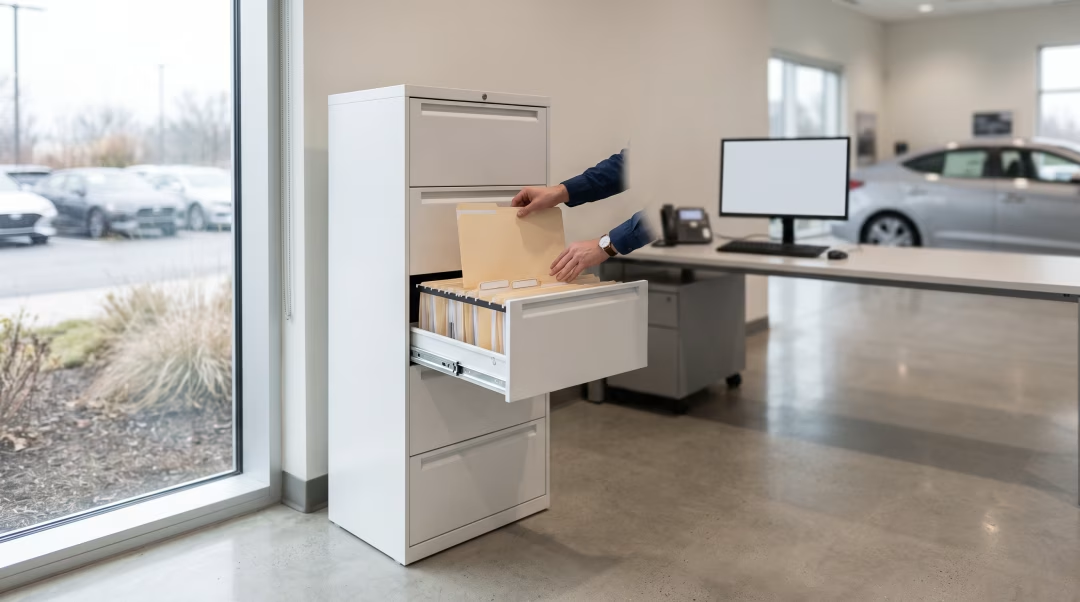
For dealerships managing physical paperwork, a disciplined, consistent filing strategy is non-negotiable. The key is to choose one method and ensure the entire team adheres to it without deviation. Here are some of the most effective systems:
Color-Coding System: This visual method allows for at-a-glance identification. You can assign colors based on various criteria, such as the type of sale (e.g., green for BHPH, blue for outside finance, yellow for cash), the salesperson responsible, or the month the deal was closed. This makes it easy to quickly pull all deals of a specific type for reporting or auditing. For example, using a different color for deals with trade-ins can simplify inventory and accounting processes.
Numerical or Sequential Filing: Organizing by a unique number is a straightforward and highly effective method. This could be the stock number of the vehicle sold or a sequential deal number assigned by your office manager. This system creates a clear chronological order and makes it simple to locate a specific file if you have the corresponding number. It eliminates ambiguity associated with customer names that may be similar or misspelled.
Alphabetical Filing: Filing by the customer's last name is a traditional method that works well, especially for smaller dealerships. Its main advantage is simplicity, as anyone can find a file with just the customer's name. The primary drawback is the potential for misfiling due to common names or spelling variations. Combining this with a secondary identifier, like the last four digits of the VIN, can help mitigate this risk.
The Shift to Digital: Modernizing Document Management
While physical systems have worked for decades, the industry is rapidly moving toward digital solutions. Going paperless offers unparalleled advantages in speed, security, and efficiency. Modern Dealer Management Systems (DMS) often include robust document management features, effectively creating a digital deal jacket. Transitioning can seem daunting, but the benefits are substantial.
With a digital deal jacket solution, every document is scanned and stored electronically. This eliminates the need for vast physical storage space and protects your critical records from physical damage like fire or water. The most significant benefit is instantaneous retrieval. Authorized staff can search for a file by customer name, VIN, stock number, or date and access the complete record in seconds from any workstation. This is invaluable when a customer is on the phone or when preparing for an audit. Furthermore, digital systems provide enhanced security through access controls and audit trails, ensuring only authorized personnel can view or modify sensitive customer information.
Best Practices for a Flawless Filing System
Whether you use physical folders or a digital database, certain best practices are universal. Implementing them will ensure your system remains organized and effective over the long term.
- Create a Master Checklist: Every deal jacket should have a checklist on the front or as the first page, detailing every required document. As each item is collected, it is checked off. This guarantees no critical paperwork is missed.
- Establish a Centralized Location: All active deal jackets should be stored in one secure, centralized location. Restrict access to authorized personnel to prevent files from being misplaced or removed without being checked out.
- Implement an Archiving Policy: A deal jacket does not need to be kept in your primary filing cabinet forever. Define a clear policy for when a file is considered "closed" and can be moved to secure long-term storage. Our guide on setting document retention policies can help you stay compliant.
- Conduct Regular Audits: Periodically review your files to ensure compliance and consistency. This proactive approach helps you catch and correct issues before they become major problems, which is essential when you need to prepare for a state compliance audit.
- Train Your Team: An organizational system is useless if your team does not follow it. Provide clear, documented training on the filing process and explain the importance of maintaining it. Consistent reinforcement is key to long-term success, and our resources on building a sales training program can provide valuable insights.
Frequently Asked Questions
What is the most common reason deal jackets become disorganized?
The most common reason for disorganization is the lack of a single, standardized system that the entire team is trained on and required to follow. When different people file documents based on their own personal logic, or when there is no clear process for handing off files between departments, chaos quickly ensues. Consistency is the key to maintaining order.
How long should a dealership keep a deal jacket?
Document retention requirements vary by state and federal law, particularly for documents related to financing. Generally, it is advisable to retain deal jackets for a minimum of seven years after the contract is paid in full or the account is closed. However, you should always consult with a compliance expert or attorney to confirm the specific regulations applicable to your dealership.
What are the biggest risks of a poorly managed filing system?
The risks are significant. Financially, it can lead to delayed funding from lenders who require complete and accurate paperwork. Legally, it can result in failed audits, fines, and penalties for non-compliance with regulations like the Truth in Lending Act. Operationally, it wastes countless hours of employee time and can lead to poor customer service when information cannot be found quickly.
What is the first step to transitioning from physical to digital deal jackets?
The first step is to select a Dealer Management System (DMS) or document management software that fits your dealership's needs and budget. Research vendors, request demos, and choose a partner who offers robust training and support. Once a system is chosen, you can develop a plan for scanning and uploading your existing files and for capturing all new documents digitally from day one.
How often should we audit our deal jackets?
It is a good practice to perform internal spot-audits on a monthly or quarterly basis. A designated manager can pull a random sample of recent deals to ensure all required documents are present, signed, and filed correctly. This proactive approach helps maintain high standards and catches small errors before they become systemic problems or issues during an official audit.
