

Have Incomplete History Records
When you are shopping for a pre-owned vehicle, a comprehensive vehicle history report is a valuable tool for building confidence in your purchase. However, it is not uncommon to find a car, truck, or SUV with gaps in its service history or an incomplete record. This discovery can be concerning, but it is important to understand that it is rarely a sign of a problem. Many perfectly reliable vehicles have incomplete histories for simple, everyday reasons. An owner performing their own oil changes or a trusted local mechanic who does not report to national databases can easily create gaps in the digital record. Here at our dealership, we understand the story behind the data. We know that a vehicle’s true quality is determined by its current condition, which is why we go beyond the report to ensure every car we sell meets our high standards for safety and reliability.
An incomplete vehicle history is more common than you might think and should not automatically disqualify a great car from your search. The most important factor is a thorough mechanical and safety inspection performed by certified technicians, a process every vehicle on our lot must pass. Our team is committed to complete transparency and is always ready to walk you through both the vehicle history report and our own detailed inspection findings. We invite you to explore our used inventory and contact us with any questions about a specific vehicle.
Decoding the Gaps in a Vehicle's Past
In the digital age, we have become accustomed to having vast amounts of data at our fingertips, and the automotive world is no exception. Services like CARFAX and AutoCheck have transformed the used car buying experience by aggregating data from thousands of sources to create a timeline of a vehicle's life. These reports can show title information, accident history, service appointments, odometer readings, and more. While incredibly useful, these reports are only as complete as the data they receive. For information to appear on a report, a service center, DMV, or insurance company must report it to the data aggregator. This system is voluntary and far from universal, leading to the frequent occurrence of incomplete records.
Understanding the common and perfectly normal reasons for these gaps is key to becoming a more confident and savvy used car shopper. Instead of viewing an incomplete history as a dealbreaker, it is better to see it as a single piece of a larger puzzle. The other crucial pieces include a comprehensive physical inspection, a test drive, and open communication with the dealership. Our team explains why vehicle history reports matter but also emphasizes their limitations.
Common and Harmless Reasons for Incomplete Histories
Most gaps in a vehicle's service log do not point to neglect or hidden problems. They are often the result of how and where the vehicle was maintained. Here are some of the most frequent reasons why a perfectly good car might have a sparse report.
- Do It Yourself (DIY) Maintenance: Many vehicle owners are passionate about their cars and possess the skills to perform routine maintenance themselves. From oil changes and fluid flushes to brake pad replacements and filter swaps, these dedicated owners often keep their vehicles in pristine condition. However, work done in a home garage is never reported to data aggregators, leaving a significant, yet harmless, gap in the digital history.
- Independent and Small-Town Repair Shops: While large chain service centers and dealerships typically have agreements to report their service data, thousands of small, independent mechanics do not. A vehicle could have a meticulous service record with a trusted local garage for years, but none of that information will ever appear on a national report. This is especially common for vehicles from rural areas.
- Age of the Vehicle: For older or classic cars, especially those from the pre-internet era, comprehensive digital records simply do not exist. Information was kept on paper, if at all. It is completely normal for a vehicle from the 1990s or early 2000s to have a very limited digital footprint, and its quality can only be assessed through a physical inspection.
- Privacy Concerns and Data Opt-Outs: Some owners may be concerned about privacy and choose to opt out of data sharing programs at their service centers. Similarly, certain transactions, especially those paid in cash, may not be logged in a way that gets reported to third-party services.
- Data Lag and Clerical Errors: The system is not instantaneous. It can sometimes take weeks or even months for a reported event to appear on a vehicle history report. Furthermore, simple human error, like mistyping a VIN number at a service center, can result in a service record being misfiled or lost entirely from the vehicle's digital history.
How We Ensure Quality Beyond the Report
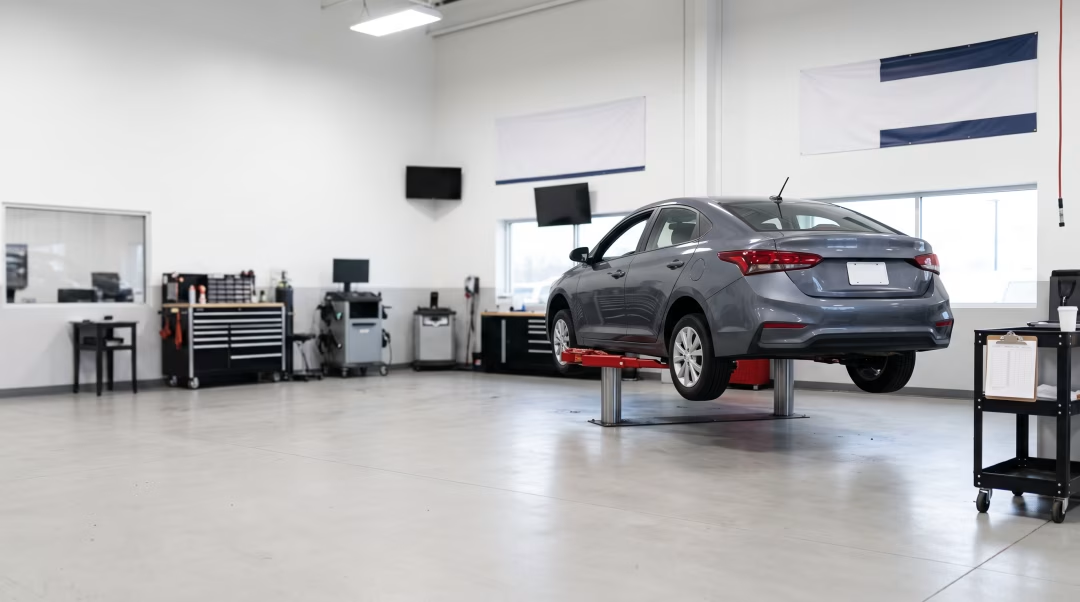
While we value the information provided in vehicle history reports, we know they do not tell the whole story. That is why our commitment to quality is rooted in our hands-on evaluation process. Our philosophy, which you can learn more about on our about us page, prioritizes the tangible condition of the vehicle over its digital paper trail. Every single vehicle we offer for sale must pass a rigorous multi-point inspection conducted by our team of experienced technicians. You can even get to know the experts who will be working on your car when you visit our meet our staff page.
This inspection covers everything from the engine and transmission performance to the brake system, suspension, electrical components, and frame integrity. We scrutinize the vehicle for signs of wear and tear, fluid leaks, and any indication of past damage that may not have been reported. This physical assessment is our guarantee to you that the car is safe, reliable, and ready for the road. It provides a current, real-world snapshot of the vehicle's health that no history report can fully replicate.
Differentiating Normal Gaps from Genuine Red Flags
It is crucial for buyers to learn the difference between a common record gap and a genuine red flag. Missing oil change records are normal. A major title issue is not. Red flags on a history report are serious items that demand further investigation and could rightly make you reconsider a purchase. These include:
- Branded Titles: A history of a salvage, rebuilt, lemon, or flood title is a significant concern. These titles indicate the vehicle suffered severe damage at some point, and even after repairs, its long-term reliability and resale value can be compromised. Understanding how salvage titles affect resale is critical.
- Odometer Discrepancies: If the report shows an odometer rollback or a potential mileage inconsistency, it is a major red flag indicating potential fraud.
- Multiple Reported Accidents: While a single minor incident might be acceptable, a history of multiple accidents, especially if they are followed by no repair records, suggests the vehicle may have lingering issues.
- Failed Emissions Tests: A history of failing emissions tests can point to persistent and potentially expensive engine or exhaust system problems.
Our inventory specialists carefully screen for these types of red flags, ensuring that the vehicles we place in our used inventory do not have these serious historical blemishes. An incomplete record is one thing; a bad record is another entirely.
Is a car with an incomplete service history a bad car?
Not at all. In fact, it is extremely common. Many caring owners perform their own maintenance or use trusted local mechanics who do not report to national databases. An incomplete history simply means the digital trail is sparse; it says very little about the vehicle's actual mechanical condition.
What is more important: the history report or a mechanical inspection?
Both are valuable tools, but a thorough, professional mechanical inspection is ultimately more important. The inspection reveals the vehicle's true, current condition—how it runs and drives today. The history report tells you about the past, while the inspection tells you about the present and future.
Do all auto repair shops report to services like CARFAX?
No, they do not. Reporting is completely voluntary. While most dealerships and large chain repair centers participate, a vast number of small, independent shops do not. A car could have a perfect service record that is simply invisible to these reporting agencies.
How can I verify a vehicle's condition if the history is incomplete?
The best way is to rely on a comprehensive pre-purchase inspection. At our dealership, we provide a detailed report from our own multi-point inspection. We also encourage you to ask our sales team questions and, for ultimate peace of mind, you can arrange for an independent inspection by your own mechanic.
Can I add my own service records to a vehicle's history report?
Some history report providers have features that allow current owners to upload and manage their own service records for personal use. However, these self-reported records are typically not displayed on the official report that future buyers will see, to prevent fraudulent entries.
